Outdoor Christmas Lights: What to Buy and How to Hang Them
Measure the run first, then buy lights marked for outdoor use. A straight run with C9 bulbs at 12 inch spacing needs about one bulb per foot, and a tree needs far more. Plug everything into a GFCI-protected outlet and turn the lights off when you sleep or leave.
As an Amazon Associate we earn from qualifying purchases. Buttons open Amazon search results, so check the reviews, size and price before you buy. We haven't tested these products ourselves.
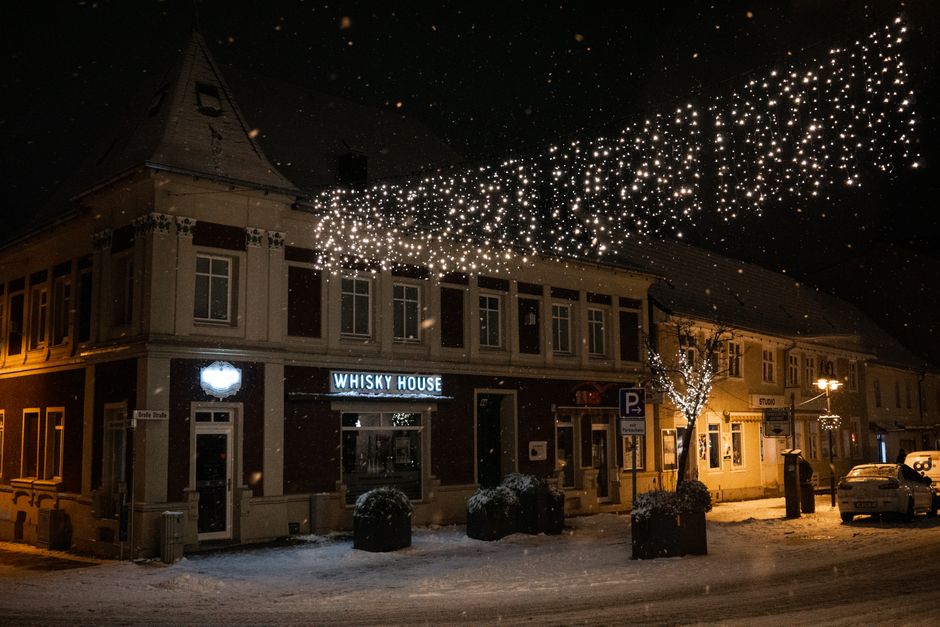
Photo by János Csatlós on Pexels
What actually decides the purchase
Four things matter more than color or bulb style: the outdoor rating, the bulb type and spacing, the total length you need, and how you will power it. Get those right and the rest is taste. We have not tested any products, so this guide covers what to look for and how to size it.
- Outdoor marking: Extension cords and electrical decorations used outdoors should be marked for outdoor use. Indoor sets are a poor fit outside. Indoor lights often have thinner insulation, which can crack outdoors.
- Bulb type and spacing: this sets how many feet you buy.
- Length: measure your runs before shopping.
- Power: count your outlets and check the wattage and connection limits on the package.
Choose the bulb type for the job
| Type | Best for | Spacing and coverage | Relative price |
|---|---|---|---|
| C9 LED | Rooflines, gutters, railings | Large C9 bulbs are usually spaced 12 inches apart. | Mid to high |
| Mini LED strings | Shrubs, tree wraps, railings, doubled rooflines | Most strands have about 100 bulbs per 33 feet, or roughly 3 per foot. | Low |
| Icicle lights | Eaves and porch edges | Hanging drops, so the strand length is not the covered length | Mid |
| Net lights | Hedges and bushes | Flat grid, sold by panel size | Low to mid |
| Solar | Spots with no outlet | Brightness depends on sun and battery | Low |
LEDs are the sensible default outdoors. LED lights last longer than traditional lights and use less energy. That also means more strands per outlet. If you are stuck with incandescents, smaller mini bulbs burn cooler than the larger traditional ones.
How much to buy
Measure each run with a tape or a string you then straighten out. Add up the sections. Then add about 10 percent for slack, since one planning formula multiplies roofline footage by 1.10 for slack.
Roofline example
Take a house with a 45 foot main roofline, a 22 foot garage and an 18 foot upper peak, for 85 feet in total. With C9 bulbs at 12 inch spacing, that is about 85 bulbs, or about 85 feet of C9 strand. Add 10 percent and you want roughly 94 feet. Two 50 foot strands cover it with a little left over. With mini lights, a double layer for extra brightness doubles the length to 170 feet.
Worked example: a 30 foot porch railing
- Measure the top rail: 30 feet.
- Add 10 percent slack for corners and posts: 33 feet.
- With C9 at 12 inch spacing, that is about 33 sockets. One 35 or 50 foot C9 strand works. Check where the plug end lands relative to your outlet.
- With mini lights at about 3 bulbs per foot, one 33 foot, 100 bulb strand gives a single pass. For a fuller look, wrap the posts or double the pass, so plan on two strands, about 66 feet.
- If the outlet is 12 feet from the start of the railing, add a short outdoor-rated extension cord.
Trees and shrubs
The common rule is 100 mini LEDs per foot of tree height, so a 6 foot tree is about 600 bulbs. Pro installers use a different rule for tall outdoor trees. They use roughly one strand of mini lights per foot of tree height for a standard exterior wrap. Treat these as starting points and adjust for how full the tree is. Thin evergreens need less.
Shop outdoor net lights for shrubs
Power, outlets and connection limits
Most outdoor trouble comes from the power setup, not the lights.
- Use GFCI protection. Outdoor lights should be plugged into GFCI-protected circuits. If yours are not, portable outdoor GFCIs are sold where electrical supplies are sold and need no special installation.
- Match the cord to the load. Match the amperage of your products to the amperage rating of the extension cord.
- Respect strand limits. Many manufacturers recommend no more than 3 incandescent strands, or 5 to 10 LED strands, end to end. Check the packaging, because exceeding the limit is a fire hazard. The number on the box wins over any rule of thumb.
- Do not mix types in a run. Mixing LED and incandescent strands is flagged as a mistake in one safety guide, so keep each run to one type.
- Keep connections dry. Keep connections off the ground and away from puddles, driveways and walkways. Keep cords and light strings clear of snow and standing water.
A plug-in timer rated for outdoor use makes the shut-off easy. ESFI advises turning off decorations before you leave home or go to sleep.
How to hang them
- Test first. Inspect all lights, decorations and extension cords for damage before using them. Check for cracked sockets and bare wire.
- Lay out the plan. Work out how many outlets you have and where they are before decorating.
- Check overhead lines. Stay at least 10 feet from power lines, yourself and your equipment.
- Use the right ladder. ESFI recommends wooden or fiberglass ladders for outdoor decorating.
- Use clips, not fasteners. Do not use tacks, nails or screws, which can pierce the cable and become electrified. Gutter and shingle clips made for the purpose are the safer choice.
- Secure against wind. Fasten lights to firm supports, but not in a way that damages the cord insulation.
- Plug in last. Light the whole run once it is up, and fix any dead sections before you climb down.
Shop gutter and shingle light clips
Storage and lifespan
Treat outdoor lights as seasonal. ESFI says Christmas lights should be considered temporary. Bring outdoor lights inside after the holidays so they last longer and avoid hazards. Wind strands loosely around a reel or a piece of cardboard, with plugs tucked in. Keep them in a dry bin. Label each bin by run, such as railing or front roofline, so next year you only unpack what you need.
Common mistakes
- Buying by bulb count instead of measured feet.
- Using indoor-only lights outside.
- Daisy-chaining past the limit on the package.
- Leaving plug connections lying in a wet bed or on snow.
- Skipping a GFCI.
- Leaving lights on overnight.
- Buying exactly the measured length with no slack, which leaves you short at corners.
Price is a rough guide to quality. Cheaper strings are fine for shrubs and trees you will replace. Spend more on the long runs you hang every year, such as C9 on the roofline, where thicker wire and replaceable bulbs pay off.
Common questions
How many feet of Christmas lights do I need for my house?
Add up the length of each roofline, railing or edge you plan to light and add about 10 percent for slack. With C9 bulbs at 12 inch spacing you need about one foot of strand per foot of run. Mini lights are often doubled up for a fuller look, which doubles the length.
Do outdoor Christmas lights need a GFCI outlet?
Yes. ESFI says outdoor lights and decorations should be plugged into GFCI-protected circuits. If your outdoor outlet is not protected, a portable outdoor GFCI can be bought and used without special installation.
How many strands of Christmas lights can I connect together?
It depends on the product. Many manufacturers suggest no more than 3 incandescent strands or 5 to 10 LED strands end to end. Always follow the limit printed on the package.
Can I leave outdoor Christmas lights on all night?
No. ESFI advises turning off indoor and outdoor decorations before you go to sleep or leave home. An outdoor-rated timer makes this easy.
Sources
- Electrical Safety Foundation International (ESFI)
- Electrical Safety Foundation International (ESFI), Holiday Light Safety
- Electrical Safety Authority (ESA)
- The Home Depot, Christmas Lights Buying Guide